Knitting Needle Size Conversion (US, UK & Metric Guide)
George Bernard Shaw once famously said that the United States and Great Britain are “two countries separated by a common language.”
That statement couldn’t be more accurate in the world of knitting.
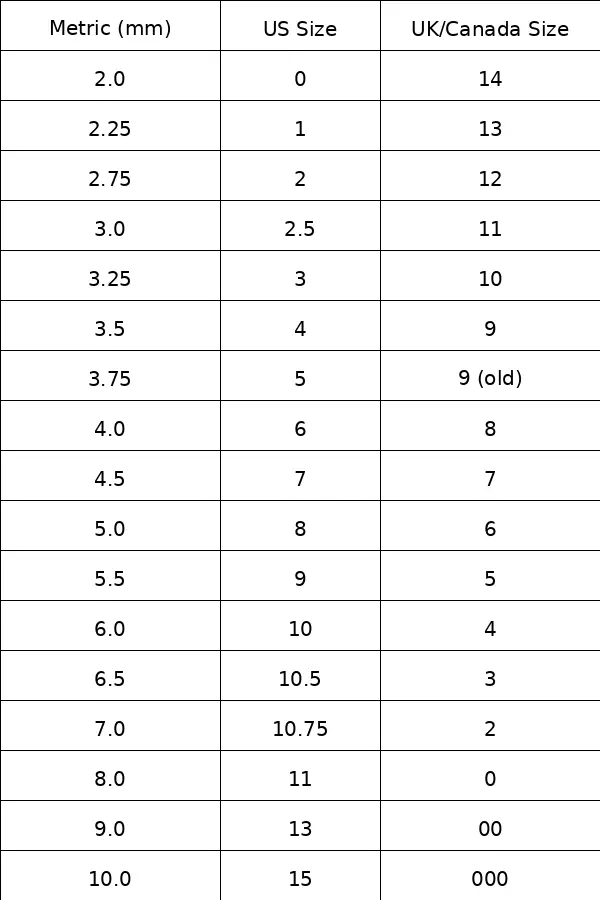
While patterns may be written in English, knitting needle sizes are not universal. A US size 8 needle is not labeled the same in the UK or Canada, and metric sizing (millimeters) adds yet another layer of confusion for knitters—especially beginners following international patterns.
If you’ve ever opened a pattern from another country and wondered whether you’re using the correct needle size, you are absolutely not alone.
Why Knitting Needle Sizes Differ by Country
Knitting needle sizing systems developed independently across regions. The United States, the UK/Canada, and metric sizing (used internationally) all measure needle diameter differently.
- US sizes use a numbered scale (0–50+)
- UK/Canada sizes use an older descending numbering system
- Metric sizes measure the needle diameter in millimeters (mm)
Because gauge is critical in knitting, even a small mismatch in needle size can drastically affect the final fit, drape, and texture of your project.
For example, using a 4.5 mm needle instead of a 5.0 mm needle can result in a noticeably tighter fabric.
The Easiest Way to Convert Knitting Needle Sizes
The most reliable way to convert knitting needle sizes is by referencing the metric measurement in millimeters. Metric sizing is the true universal standard and is increasingly used in modern patterns across the world.
When in doubt:
- Check the pattern’s metric size first
- Match your needle to the mm measurement
- Use US or UK conversions only as a reference
This approach ensures your gauge swatch remains accurate regardless of where the pattern originated.
When Needle Size Conversions Matter Most
Needle size conversion is especially important when:
- Following UK or European knitting patterns
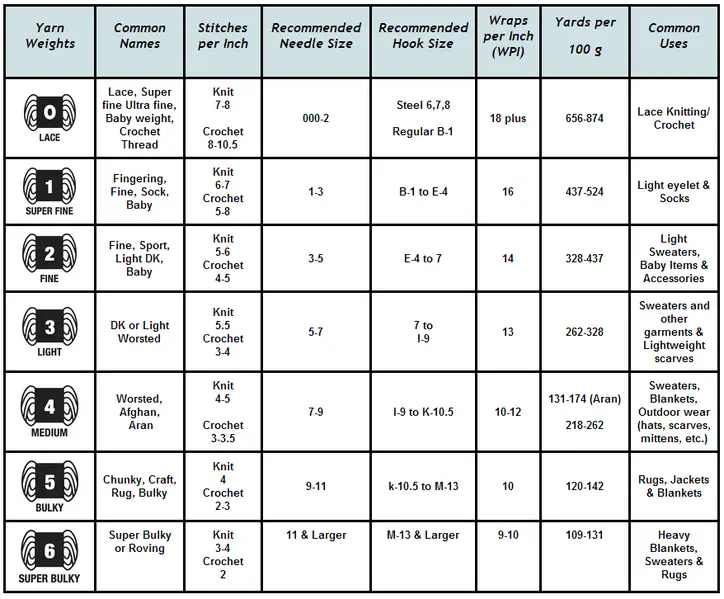
- Substituting yarn weights
- Knitting garments that require precise sizing
- Purchasing needles from international brands
- Reading vintage knitting patterns (which often use UK sizing)
For list-style pattern posts (like your free pattern roundups on eKnitting), adding a visible conversion chart near the top significantly improves user experience and reduces bounce rate—since readers get instant clarity without scrolling.
Pro Tip for Beginners (and Pattern Collectors)
If you knit patterns from Pinterest, Ravelry, or international blogs, it is worth keeping a printed needle conversion chart in your knitting bag. This saves time, prevents mistakes, and helps you confidently switch between pattern formats.
Many experienced knitters eventually memorize their most-used sizes (like 4.0 mm, 4.5 mm, and 5.0 mm), but having a quick reference chart is still invaluable for less common sizes.