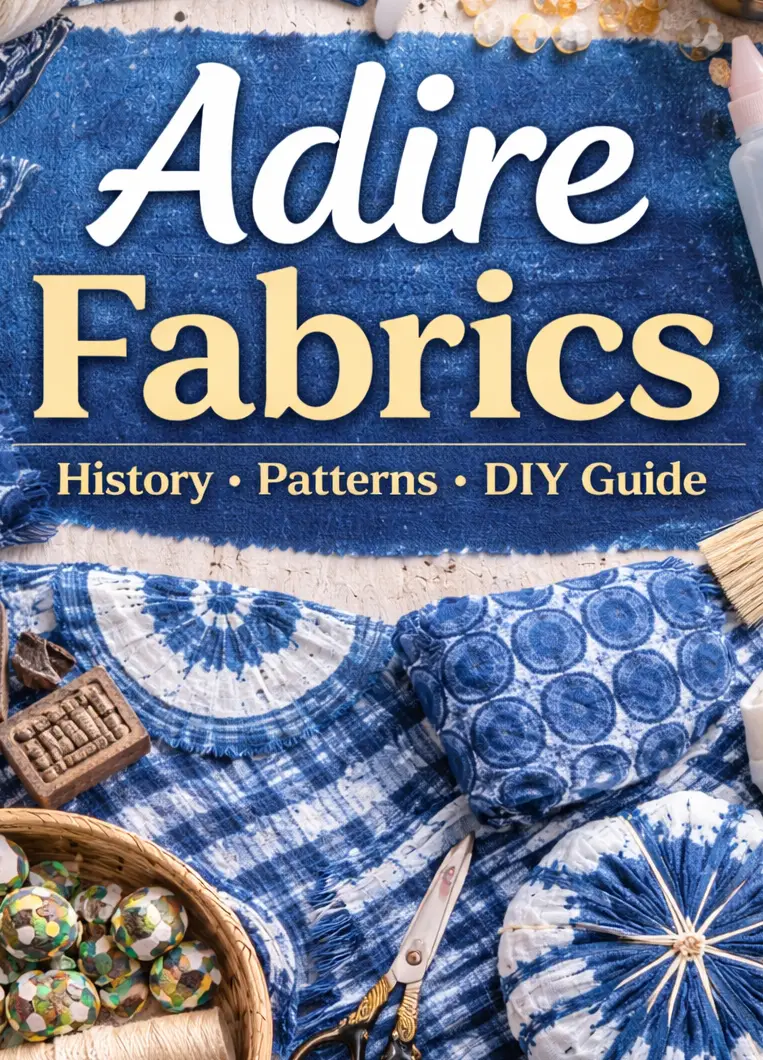
What Is Adire Fabric? Meaning, History & DIY Techniques Explained
What is Adire fabric?
Adire fabric is one of the richest and most expressive textile traditions in West Africa. Originating among the Yoruba people of southwestern Nigeria, this stunning resist-dyed fabric blends culture, storytelling, and craftsmanship into a single beautiful cloth.
Whether you’re a textile lover, a crafter, or someone curious about traditional dyeing, this guide covers everything you need — including history, meanings, patterns, and how to make Adire at home (yes, DIY is absolutely a thing!).
I’ve also included recommended tools and materials with affiliate links, so you can easily pick up everything you need to start experimenting with Adire dyeing.
What Is Adire?
“Adire” comes from the Yoruba words:
- Adí — to tie
- Rẹ̀ — to dye
Together, the term refers to indigo resist-dyed cloth, created using tying, stitching, waxing, or painting techniques that block dye from certain parts of the fabric.
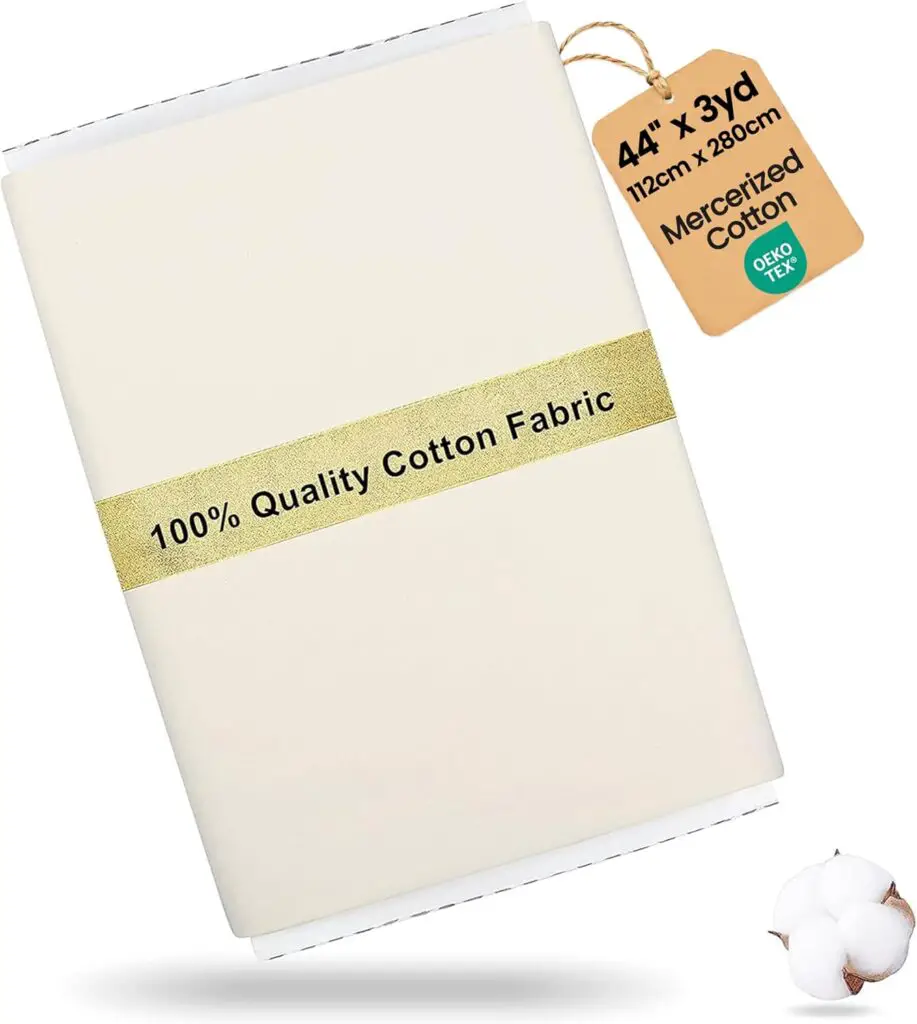
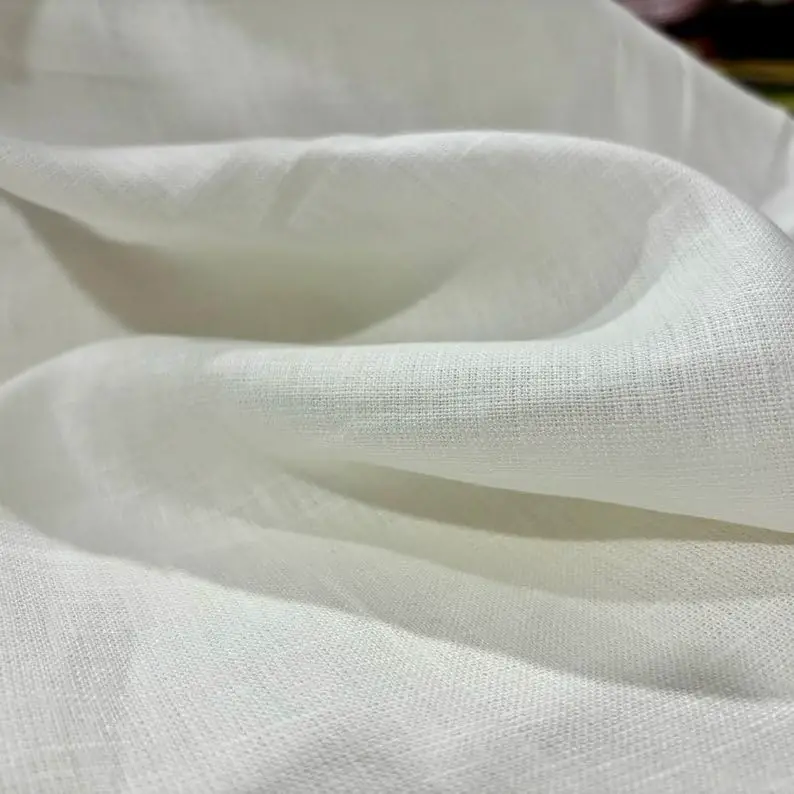
Best fabrics for Adire:
100% White Cotton Fabric
Linen
⭐ A Short History of Adire Fabrics
Ancient Roots of Indigo Dyeing
For centuries, Yoruba women created deep-blue indigo dye vats using natural plants such as Elu or Láàlú, passing the skill down through generations.
Trade Expansion
By the 19th century, trade routes helped expand Adire’s popularity across West Africa. Exportation increased demand, and new materials (like imported cotton) allowed artisans to diversify patterns and styles.
Symbolism & Communication
In Yoruba culture, patterns carry meaning — similar to how some cultures use tattoos or written symbols. Some patterns communicate blessings, identity, social status, or community messages.
Adire Today
Modern designers now feature Adire in:
- Fashion runways
- Streetwear
- Home décor
- Accessories
- Art installations
Adire has become a global trend with a growing DIY community interested in sustainable, handmade fabrics.
⭐ Types of Adire & Their Techniques
Here are the four main types of Adire, including DIY variations you can recreate at home.
1. Adire Oniko (Tie & Dye)
Fabric is tied using raffia, string, or objects to create patterns before dyeing.
For beginners:
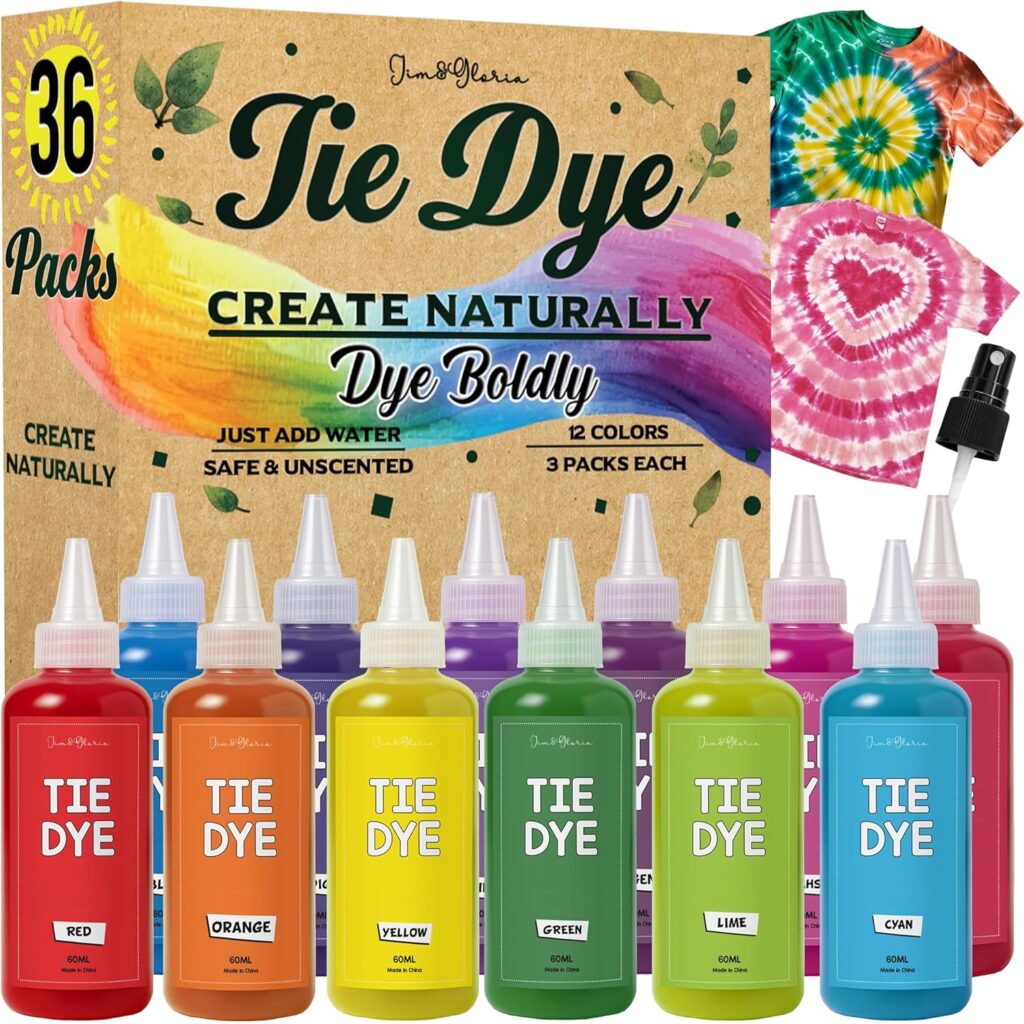
👉 Rubber Bands Set for Fabric Art
Patterns include:
- Pebble tying
- Fold-and-bind stripes
- Spiral motifs
2. Adire Eleko (Starch Resist)
Patterns are painted onto cloth using a cassava paste mixture, which resists the dye.
Beginner-friendly substitutes:
👉 Flour Paste Resist Kit or Squeeze Bottles
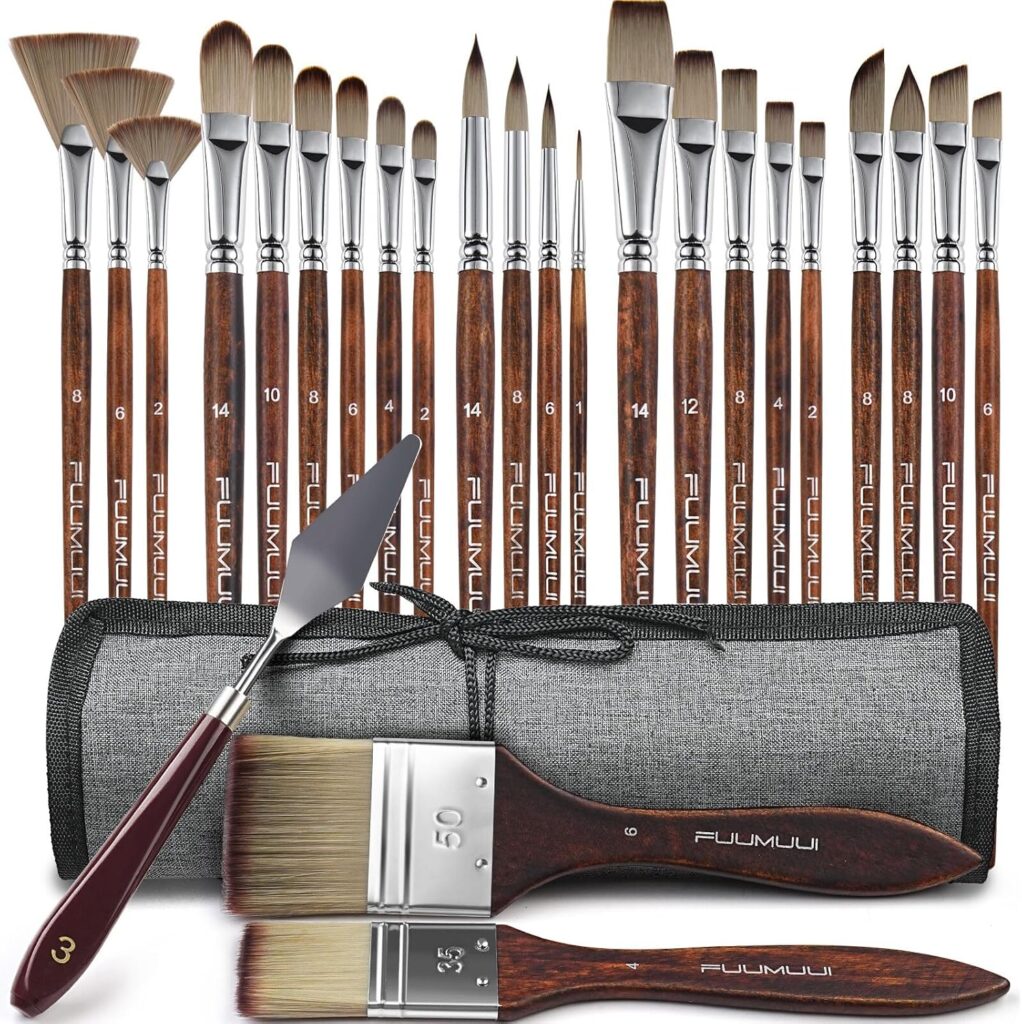
👉 Fabric Paint Brushes
3. Adire Alabere (Stitched Resist)
Cloth is hand-stitched with raffia or strong thread, then pulled tight before dyeing.
Starter tools:
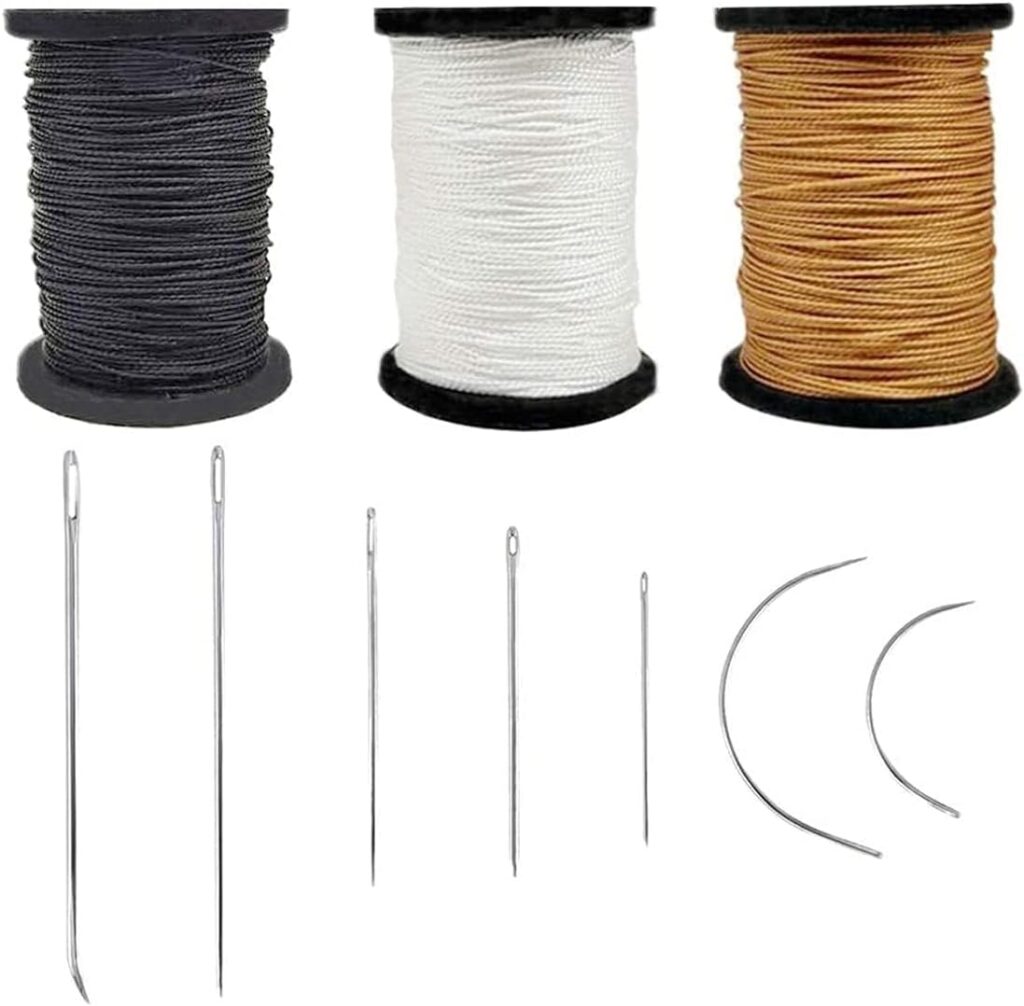
👉 Needle + Heavy Thread Set
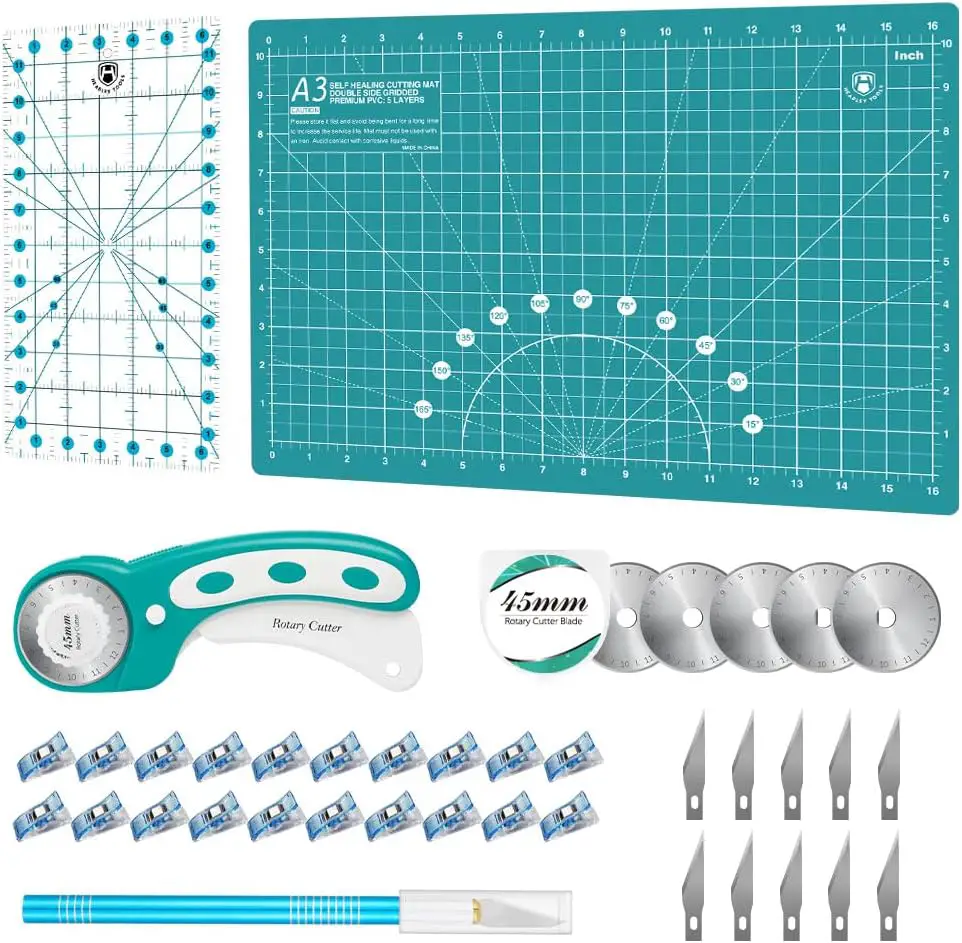
👉 Fabric Clips & Tools
4. Wax Resist (Batik-Inspired Adire)
Wax is applied to cloth in specific areas, then dyed. Waxed areas resist the indigo.
You can do this at home using:
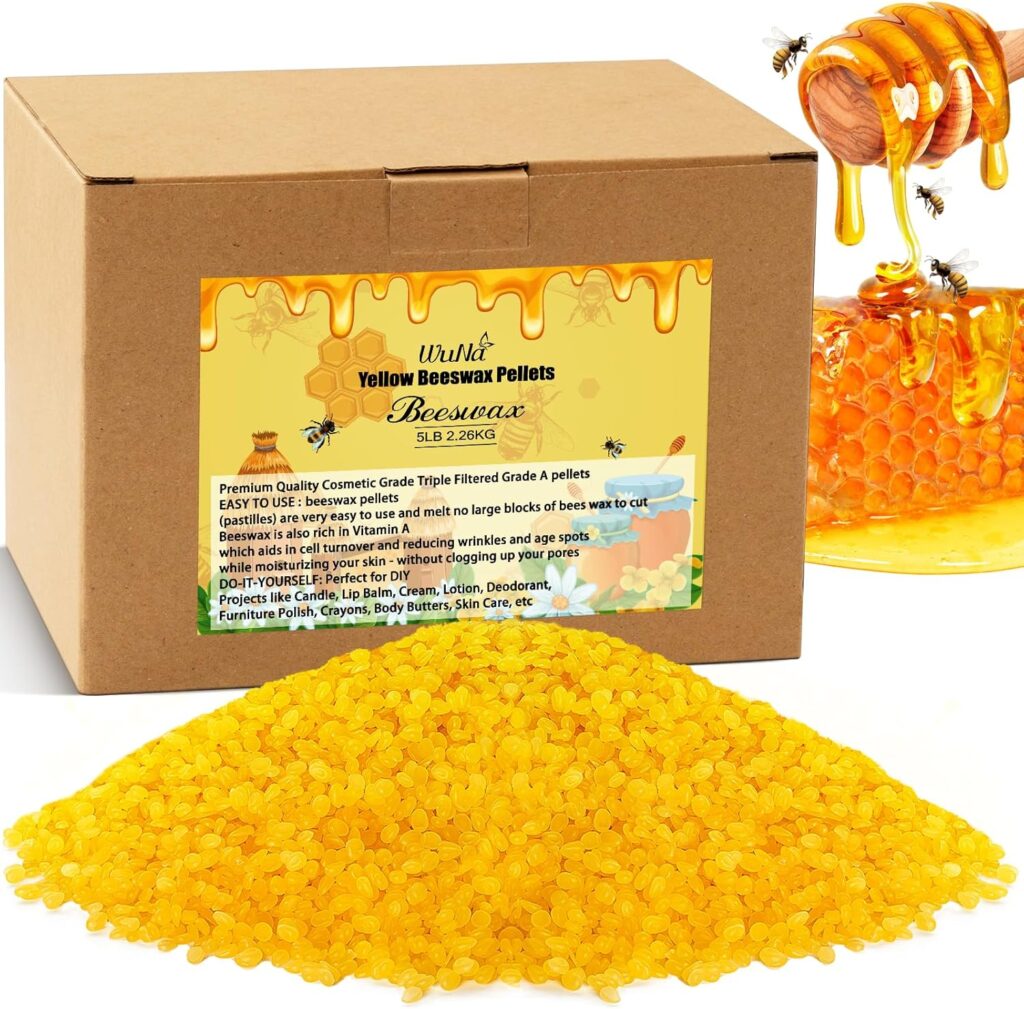
👉 Beeswax Pellets
👉 Wax Melting Pot

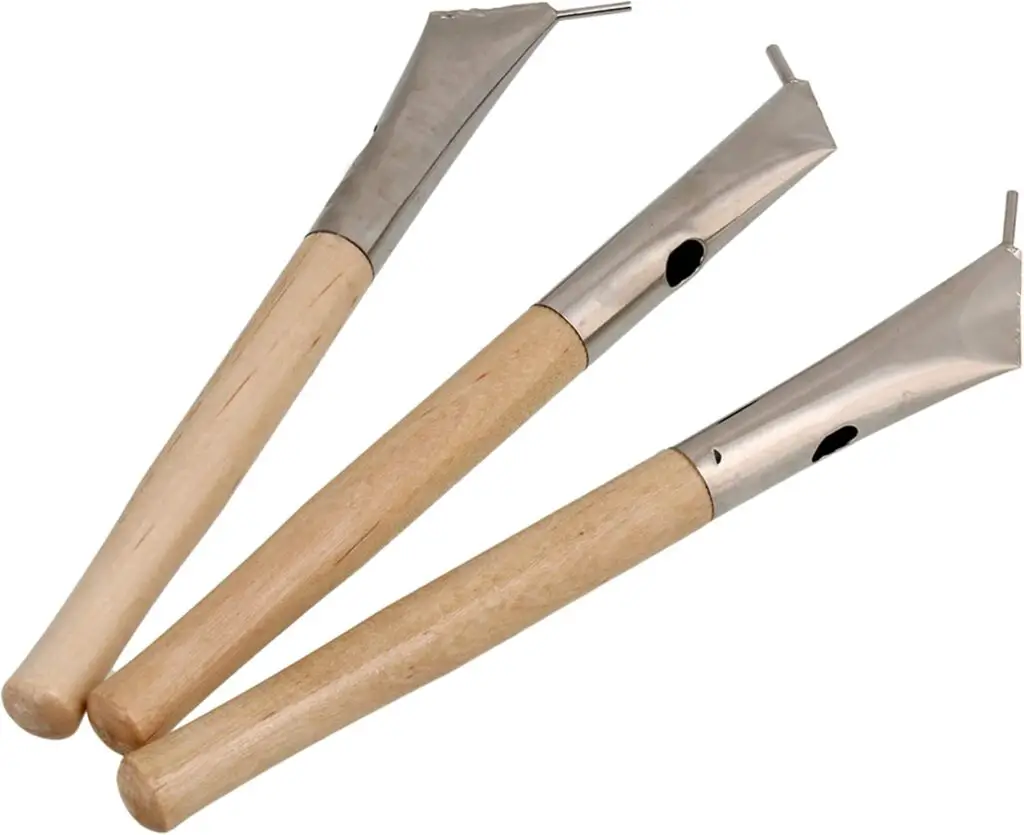
👉 Tjanting Tool for Wax Art
⭐ Popular Adire Patterns & Their Meanings
You can mention these in your blog as image placeholders or create your own illustrations.
| Pattern Name | Meaning |
|---|---|
| Olokun | Wealth, prosperity, depth (named after a water deity) |
| Ibadàn Olókè | The Seven Hills of Ibadan |
| Sunbebe | Dance or celebration |
| Alápalá | Community strength |
| Keke | Circles representing cycles of life |
| Eleko Lines | Structure, discipline, balance |
⭐ DIY Adire: How to Make It at Home
Yes — you can absolutely make Adire at home. Modern dye kits make the process much easier, especially for beginners.
⭐ Materials You’ll Need (Beginner Friendly)
Fabric
- 100% cotton recommended
Dye
Traditional option: Indigo
Beginner option: Pre-reduced indigo
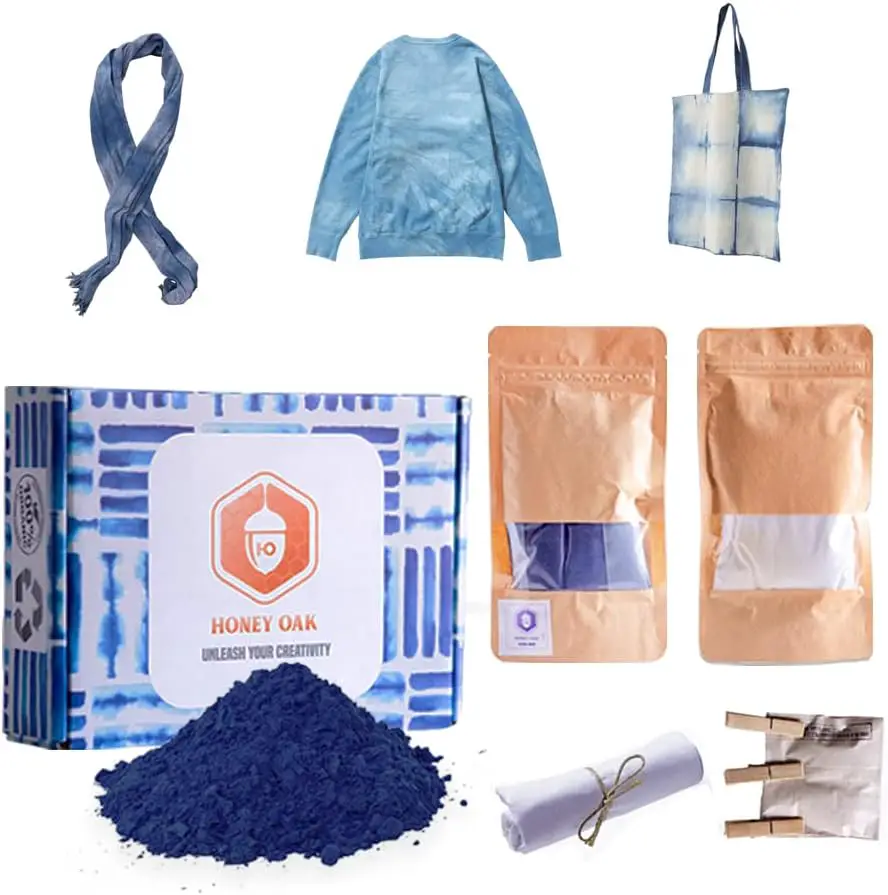
👉 Indigo Dye Kit
Resist Supplies
Tie-Dye
Starch Resist
Wax Resist
Beeswax + Melting Pot]
Tools
👉 Protective Gloves
👉 Plastic Drop Cloth
👉 Large Bucket for Dyeing
⭐ Step-by-Step Adire Instructions
METHOD 1 — Tie-Dye (Adire Oniko)
1. Wash & Damp Your Fabric
Removes chemicals so the dye penetrates evenly.
2. Bind the Cloth
Try these designs:
- Pebble bundle (tie stones or beads inside fabric)
- Fold + bind
- Spiral twist
3. Prepare Your Indigo Vat
👉 [AFFILIATE LINK: Beginner Indigo Vat Kit]
Follow instructions for your dye brand.
4. Dip the Fabric
- First dip: fabric appears green
- Expose to air → turns blue
- Repeat dips for darker shades
5. Rinse & Dry
METHOD 2 — Starch Resist (Adire Eleko)
1. Mix Starch
Use cassava paste or flour paste.
2. Draw Your Patterns
Use stencils, brushes, or freehand lines.
👉 [AFFILIATE LINK: Fabric Painting Brushes]
3. Dry Completely
4. Dip in Indigo Dye
5. Wash Off Starch & Dry Again
METHOD 3 — Wax Resist (Batik/Onifeliso)
1. Melt Beeswax
2. Apply Wax with Tool
Try dots, lines, or symbols.
3. Dye Your Fabric
4. Remove Wax
Iron between newspaper sheets.
⭐ How to Care for Adire Fabric
- Handwash cold only
- Use gentle soap
- Avoid bleach or brighteners
- Dry in shade to preserve the indigo
- Iron on low heat
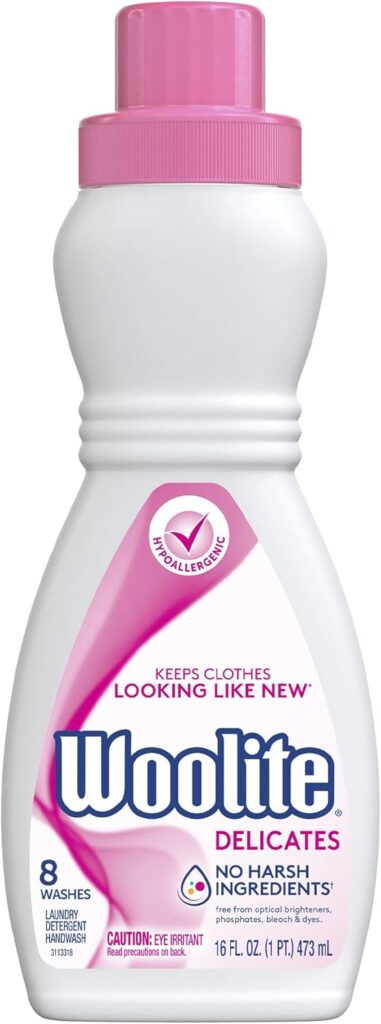
Recommend a gentle detergent:
👉 Woolite Delicate Wash]
⭐ Modern Uses for Adire Fabric
Today, Adire is popular in:
✔ Dresses
✔ Skirts
✔ Scarves
✔ Throw pillows
✔ Bags & accessories
✔ Quilts
✔ Wall hangings
You can also link sewing tools:
👉 [AFFILIATE LINK: Sewing Machine]
👉 [AFFILIATE LINK: Rotary Cutter Set]
⭐ Final Thoughts
Adire is more than just a dyeing technique — it’s a cultural story, a heritage craft, and a form of artistic expression. Whether you’re fascinated by its rich Yoruba origins or excited to try dyeing your own, Adire invites you to join a centuries-old creative tradition.